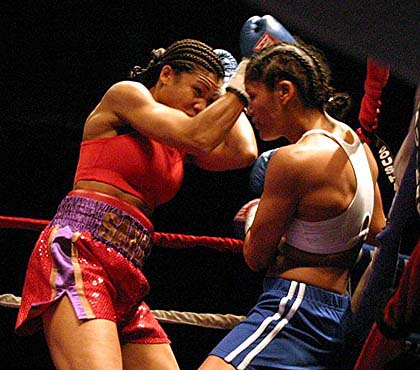
Between Rounds: How Mental Health Shapes Women
Boxers’ Careers
(OCT 11) Boxing is often seen as a sport of
grit, power, and endurance. The focus usually falls on the physical side, the
punches thrown, the training sessions, the sweat and the bruises. Yet behind
every powerful jab and defensive stance lies another kind of fight: the internal
one. For women boxers, this fight is about winning in the ring and maintaining
mental strength against anxiety, pressure, and emotional fatigue.
Similar to how players choosing the
best US poker sites must not only
focus on their strategy and moves but also manage their mental game, female
boxers must navigate both the physical and emotional challenges of the sport.
Mental health in boxing has always been a sensitive subject. In a culture that
glorifies toughness, vulnerability can feel like weakness. But awareness is
growing. The truth is that mental health is as vital to a boxer’s performance
and longevity as physical fitness.
For female fighters navigating gender bias, inequality, and the demands of the
sport, it can be an even steeper climb. Much like poker players who need to stay
mentally sharp to manage the pressures of high-stakes situations, women boxers
must maintain mental resilience to push through the toughest moments, inside and
outside the ring.
This article takes you behind the scenes of the women’s boxing world, revealing
how stress, pressure, and emotional recovery affect athletes and how they fight
back with resilience, self-awareness, and support tools.
The Hidden Pressures Behind Every Fight
Stepping into the ring requires more than strength and skill, it requires
emotional endurance. For women in boxing, that pressure is multiplied by
expectations and barriers that extend far beyond the ropes.
1. The Weight of Visibility
Women’s boxing has grown rapidly, but it’s still fighting for full recognition.
Female athletes often prove themselves capable boxers as equals in a
male-dominated sport. Every match, every appearance, and every interview carries
an unspoken weight: “I have to show I belong here.”
2. Financial and Structural Inequality
While top-tier male boxers may earn millions, women’s purses are often a
fraction of that. Many female fighters work other jobs or depend on sponsorships
for training camps. This financial instability adds stress and limits access to
nutritionists, psychologists, or recovery specialists who could support their
mental and physical well-being.
3. The Strain of Public Scrutiny
Boxers live under constant observation fans, media, and social media amplify
every win and loss. Women, in particular, face an additional layer of scrutiny:
appearance. Comments about looks or body shape can overshadow performance,
fueling insecurity and emotional exhaustion.
4. Injury and Identity Crisis
An injury can be devastating for any athlete, but for fighters, it often leads
to an identity crisis. When you spend years defining yourself as a boxer, being
sidelined can trigger anxiety, depression, or fear of never returning to form.
The Psychological Toll of Constant Performance
The mental challenges female boxers face go beyond what the public sees. Behind
their composure are countless invisible battles.
Performance Anxiety
Before every fight, there’s a mix of adrenaline and fear. The fear of failure,
embarrassment, or letting supporters down can spiral into anxiety. Managing that
energy requires as much mental conditioning as physical drills.
Burnout and Overtraining
The demand to perform at peak levels year-round leads to burnout. Overtraining
doesn’t just drain the body, it depletes emotional energy, disrupting sleep,
mood, and motivation.
Depression and Post-Competition Lows
After big matches, especially losses, athletes often experience emotional
crashes. Some fighters feel empty or disconnected from their purpose when the
spotlight fades.
Body Image Struggles
Fighting weight requirements can create tension between health and performance.
Constant monitoring of weight and physique can distort body image and trigger
unhealthy eating patterns.
Breaking the Silence Around Mental Health
For years, mental health struggles in boxing were hidden behind stoic facades.
“Tough it out” was the motto. But today, more athletes are speaking up.
Open discussions have become acts of courage. By sharing their experiences,
fighters challenge stigma and help others see that strength and vulnerability
can coexist.
Organizations like Women in Boxing and The PBC Foundation have started mental
health initiatives that encourage counseling and education about psychological
wellness.
Prominent boxers have also paved the way. Fighters like Jessica McCaskill and
Claressa Shields have openly discussed emotional resilience and the mental grind
of the sport. Their honesty is reshaping how fans, coaches, and the media view
what it means to be strong.
Building Mental Resilience: The Inside Game
Mental resilience is not innate, it’s trained, just like footwork or punching
power. Female fighters are increasingly integrating psychological tools into
their routines.
1. Mental Training and Visualization
Visualization helps boxers rehearse success before stepping into the ring. They
build confidence and readiness by mentally walking through scenarios both
victories and challenges. Visualization techniques reduce anxiety and improve
focus under pressure.
2. Professional Counseling and Sports Psychology
Access to sports psychologists is becoming more common in elite boxing camps.
Counselors help athletes recognize negative thinking patterns, manage fear, and
strengthen self-belief. This professional support allows boxers to navigate
setbacks without internalizing them.
3. Mindfulness and Breathing Techniques
Boxers train their bodies to react instinctively; mindfulness trains their minds
to stay calm. Breathing exercises, meditation, or yoga sessions help regulate
the nervous system, promoting emotional control during fights and recovery.
4. Community and Support Systems
Behind every successful fighter is a circle of trust coaches, teammates, family,
and friends. For women, having mentors or fellow female athletes to talk with
creates a safe space for emotional release and shared learning.
5. Structured Rest and Recovery
Rest isn’t laziness, it’s strategy. Planned breaks prevent burnout and allow the
mind to process the highs and lows of competition. Rest days, mental detoxes,
and short social media breaks protect emotional balance.
6. Journaling and Self-Reflection
Many fighters journalize emotions, track growth, and clarify goals. Writing
transforms scattered feelings into perspective and helps identify stress or
anxiety triggers.
The Coach’s Role: Nurturing Both Mind and Muscle
Coaches play an essential part in shaping physical performance and mental
health. A supportive coach understands that motivation thrives on respect and
trust, not intimidation. Empathetic communication, regular check-ins, and
flexibility around training loads help athletes feel valued and secure.
This approach can make the difference between burnout and breakthrough in
women’s boxing, where external pressures are already intense.
Progressive gyms are now adopting whole-athlete models, programs that combine
fitness, nutrition, and mental well-being. The result is not just better boxers
but more balanced individuals.
Real Stories, Real Courage
Consider the journey of Katie Taylor, Ireland’s Olympic gold medalist and
undisputed lightweight champion. Known for her quiet discipline, Taylor has
spoken about how her faith, focus, and internal calm keep her grounded amidst
fame and pressure.
Then there’s Amanda Serrano, who often highlights the emotional discipline
needed to fight across multiple weight divisions while managing self-doubt and
fatigue. These women are redefining what it means to be a champion, not only by
their belts but by their composure and courage.
Such examples show that strength in boxing isn’t only about hitting harder, it’s
about staying centered when life hits back.
A Path Toward a Healthier Future in Women’s Boxing
The conversation around mental health is evolving. More gyms are hiring sports
psychologists, promoters are starting to offer mental wellness programs, and
media outlets are covering athletes’ emotional journeys alongside their
technical skills.
Still, there’s room for growth. Continued investment in mental health resources,
educational workshops, and equitable pay will ensure that women boxers have the
support they need to thrive, not just survive in the sport.
By prioritizing mental well-being, the boxing world can move toward a culture
that values the full human behind the gloves.
Conclusion: The Strongest Fight is Within
Behind every medal, knockout, and title fight is a woman who has faced her fears
and doubts and kept going. The mental battles between rounds are often the
hardest, yet they reveal the truest strength.
Women boxers are proving that mental health and toughness are not opposites,
they are partners. The sport’s future depends on this understanding: that
resilience is measured in power and peace, balance, and the courage to ask for
help.
As more fighters embrace this mindset, the message becomes clear: taking care of
your mind is not weakness, it’s the ultimate form of winning.