Women’s Boxing Bets: 6 Curious Features To
Know About
April 30, 2026
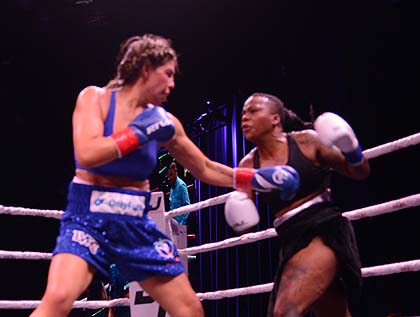
Photo credit: Mike Blair
Women’s boxing gets misread when people treat it like the men’s side with a
different roster. The format is different, the tempo is different, and the
record base is still thinner in many divisions. Women have been in boxing for
generations, but the sport spent much of its history facing bans and licensing
barriers, so broad coverage and deeper records came later.
The first thing to notice on any betting screen
The most important detail is also the most basic one. Women’s boxing matches are
usually capped at ten rounds, with two minutes per round, while men’s
championship fights usually run twelve rounds of three minutes. That changes
tempo immediately. A fight has less total time to settle, fewer long stretches
to build momentum, and less room for a slow starter to fix an ugly opening. That
is one reason a
betting website india or any other sportsbook screen can look
familiar while the logic behind a women’s boxing line still needs a separate
read.
A shorter fight also affects how people read rounds. In a ten-by-two format, a
boxer who starts sharp can bank early points quickly. There is simply less empty
space in the contest.
Shorter fights change what matters most
This format tends to push a few things higher up the checklist:
*
Fast starts matter more.
*
Clean rounds matter more than long attritional control.
*
Small momentum swings can carry extra weight.
*
One bad round is harder to erase later.
That does not mean every bout follows the same script. It means pricing and
pre-fight reading benefit from looking at round-winning habits, not just
reputation. A boxer with tidy output over two-minute rounds can be more useful
analytically than a fighter who usually needs time to warm into a contest.
The data is better now, but still not endless
The amateur side helps more than many casual readers realize. The
IBA Women's World Boxing Championships are biennial, and the first women’s championships
were held in 2001. That matters because repeated international events create
names, records, styles, and a cleaner trail for analysts to follow.
Even so, women’s boxing still does not have the same historical depth as men’s
boxing in every weight class or region. That is why a line on
melbet
in can look
simple at first glance, while the smarter read often comes from current form,
activity level, and opponent quality rather than from a giant archive of old
fights.
The champions list is useful in a very practical way
The
current champions page is handy because it shows recognised titleholders and
their professional records in a standard wins-losses-draws-no contests format,
including knockout wins. That gives a quick snapshot of where division strength
and experience sit right now. For example, Claressa Shields appears as
champion-level reference material at heavyweight, while names like Lauren Price
and Katie Taylor help anchor the welterweight and super lightweight picture.
This is where women’s boxing has become easier to model than it was even a few
years ago. The names are more visible, the title picture is easier to track, and
recent form is easier to verify.
Coverage growth is feeding the numbers
That wider visibility is not just a feeling. Women’s sports revenue rose from
$981 million in 2023 to $1.88 billion in 2024, with a $2.35 billion projection
for 2025. Visibility grew fast too: FIFA reported 3.2 billion views for 2023
Women’s World Cup digital content, and the 2023 U.S. Open women’s final drew a
larger audience than the men’s final. That kind of growth usually brings fuller
coverage and better public data around athletes and events.
That is why women’s boxing is worth following closely right now. The structure
is distinct, the market is still learning, and the people who notice the sport’s
actual rhythm usually read it better.