|
| |
|
|
|
|
|
|
|
|
Women’s Boxing Odds Need Better
Context Around Rankings, Records and Late Replacements
May 13, 2026
|
|
|
|
|
|
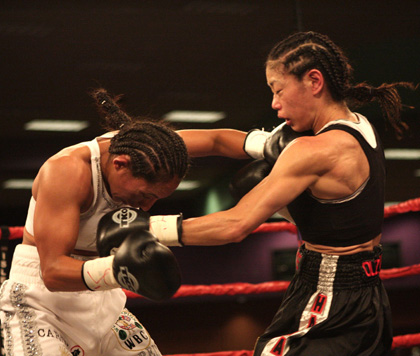
Women’s boxing betting has grown rapidly, but
rankings and records still create confusion once sportsbooks start pricing
fights across less predictable divisions.
Women’s boxing has grown fast enough that sportsbooks now cover fights that
barely had betting markets five years ago. The problem is that a lot of those
odds still lean too heavily on rankings and unbeaten records without enough
context behind them. One fighter might be 14-0 against limited opposition;
another could have three losses against world champions. Those numbers do not
tell the same story once the opening bell rings.
Rankings Rarely Tell the Full Story
Women’s boxing rankings can turn into a mess once you compare sanctioning bodies
against media panels and independent databases.
ESPN's pound-for-pound list places Claressa Shields at the top ahead of
Katie Taylor and Gabriela Fundora, while
BoxRec's annual rankings reward long-term consistency differently across
multiple divisions.
That confusion spills directly into betting markets. One sportsbook might price
a fighter heavily based on an unbeaten record; another reacts more aggressively
to recent competition level or activity. Amanda Serrano’s 48-4-1 record carries
far more context than a newer prospect sitting at 12-0 against regional
opposition. Dina Thorslund spent eight consecutive years inside BoxRec’s annual
rankings, while Claressa Shields stayed there for nine. Those details tell you
far more about proven elite competition than a simple win-loss line sitting
beside a fighter’s name.
Records Can Hide Weak Opposition
Boxing fans already know padded records are nothing new. Women’s boxing still
has thinner divisions in certain weight classes, which creates awkward
matchmaking and long stretches between meaningful fights. A fighter can build a
clean-looking record without facing many world-level opponents.
That is partly why
career longevity still carries weight in boxing circles. Ronica Jeffrey
finished with an amateur record of 23-4 before turning professional in 2008,
then fought until 2019 before her International Women’s Boxing Hall of Fame
induction this year. Fans understands the difference between surviving across
multiple eras and collecting wins on smaller regional cards.
Sportsbooks sometimes struggle with that distinction because women’s boxing data
still lacks the depth available in major men’s divisions. Casual bettors see
“undefeated” and stop digging. Anybody who follows women’s boxing properly
usually checks opponent quality first.
A 17-2 fighter who spent six years facing champions often creates a tougher
betting read than somebody sitting at 14-0 against limited opposition.
Late Replacements Can Flip a Fight Overnight
Late replacements create chaos in boxing betting markets because styles change
immediately. Preparation disappears. Weight cuts become unpredictable. Entire
game plans collapse in a few days. Women’s boxing runs into this problem
regularly because smaller divisions do not always have deep replacement pools
available on short notice.
That volatility becomes obvious once sportsbooks start reacting at different
speeds. One operator may leave odds hanging for hours after a replacement
announcement while another adjusts immediately. Smaller women’s fights can also
produce wider betting gaps because some sportsbooks simply spend less time
modelling those divisions in detail.
Women’s boxing markets can move wildly once a late replacement gets announced
because some sportsbooks adjust faster than others. Smaller fights also suffer
from inconsistent rankings and incomplete opponent histories, which makes
line-shopping more important than many casual bettors realise. Covers tracks
the top betting platforms
currently active in the Canadian market, comparing payout speed, betting
apps, sportsbook promos, live betting tools and overall sportsbook reliability
across licensed operators.
Women’s Boxing Is Still Building Institutional
Depth
Women’s boxing carries far more structure than it did twenty years ago, though
parts of the sport still operate with limited historical depth compared to men’s
boxing. Rankings remain inconsistent between organisations; smaller promotions
still struggle for visibility; regional scenes can operate almost independently
from each other.
That history explains why long-term contributors still get recognised so
strongly within the sport itself.
Gwen Adair officiated more than 700 fights after becoming one of the first
licensed female referees in boxing, helping establish credibility for women
working inside the sport long before women’s boxing reached its current
visibility.
Those details influence betting markets indirectly because public familiarity
still drives pricing. Major names like Katie Taylor or Claressa Shields attract
sharper market attention because sportsbooks know those fighters generate
betting activity. Smaller women’s fights still produce thinner markets where
oddsmakers rely heavily on rankings and records instead of deeper analysis.
Smaller Markets Demand Smarter Research
Women’s boxing betting has improved rapidly, though the sport still asks bettors
to do more homework than many mainstream men’s divisions. Rankings disagree with
each other regularly. Records often lack proper context. Late replacements can
rewrite an entire fight within hours.
That creates betting markets where prices vary more aggressively between
sportsbooks. Somebody paying attention to opponent quality, activity level and
championship experience usually spots value faster than somebody reading records
alone. Women’s boxing now has enough depth that sportsbooks cover far more
fights than before, but the smartest betting reads still come from understanding
the sport itself rather than trusting rankings blindly.
|
|
|
|
| |
|
|
|
|
| |
|
|
|
|
| |
|
|
|
|
|