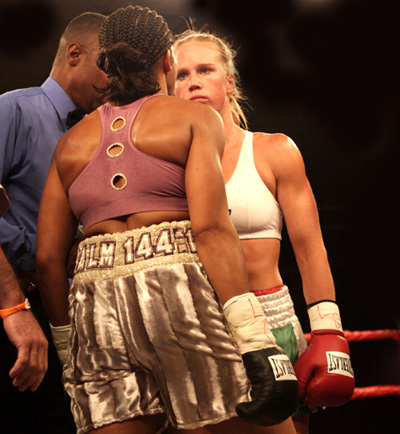
For a long time, women’s bouts were treated as
undercards or curiosities. That perception has changed quickly as more elite
female fighters deliver main‑event quality action and consistent drama. Bettors
follow excitement and narrative, so the betting handle is starting to reflect
that shift.
From niche to spotlight
Television and streaming coverage now give women’s boxing proper production,
regular time slots, and dedicated promotion. Once fans see technical skill
combined with high output and visible emotion, it becomes easy to care about the
result. Many bettors who already follow combat sports now treat women’s fights
as part of their regular betting routine, the same way they might explore faster
digital formats through
crypto casinos
during a separate session. The key is that each format rewards a different kind
of attention, so mixing them in one evening only works when the bettor keeps the
sessions clearly separate.
Women’s divisions are also less saturated with household names, which creates a
sense of discovery. When a new champion explodes onto the scene, early followers
feel they have an informational edge before the wider public catches up.
What attracts bettors to women’s fights
The growth is not only about visibility. The style of many top female fighters
happens to be very “betting friendly.” High activity, clear momentum swings, and
fewer low‑tempo chess matches make outcomes feel more readable to viewers.
Before looking at numbers, it helps to understand what bettors tend to value in
a match:
* Consistent work rate and punch volume
* Clear differences in game plans and strengths
* Fighters with distinct, easily recognizable styles
* Rivalries with personal storylines outside the ring
When these ingredients are present, even casual viewers can form opinions about
who is likely to impose their game. That sense of “I think I see what is
happening” is exactly what encourages more speculative wagers.
Data, stories, and perceived edges
Streaming platforms now track round‑by‑round stats, knockdowns, and punch counts
for women’s cards in a way that simply did not exist a decade ago. Access to
archived fights makes tape‑study easier, so content creators can publish
breakdowns that highlight tendencies and weaknesses. Bettors feel more confident
when they can base decisions on observed patterns rather than guesswork.
At the same time, many weight classes in women’s boxing are still developing
their depth. That means sharper fans believe they can spot mismatches or
overhyped prospects before bookmakers fully adjust. The perception of
exploitable lines creates additional liquidity in these markets.
As the sport matures, more national federations and international bodies invest
in structure, rankings, and regular title fights. That support feeds back into
public interest, while the documented history of
women's
boxing shows how rules,
recognition, and competitive opportunities have changed over time.
The emotional factor
There is also a psychological component that numbers do not fully capture. Many
viewers respond strongly to the combination of technical craft and visible grit
that high‑level female fighters bring. Come‑from‑behind wins, close decisions,
and rematches generate emotional hooks that keep fans engaged across multiple
events.
For betting markets, this means storylines that extend beyond a single card.
Once fans care about careers rather than isolated contests, handle tends to grow
steadily instead of spiking and disappearing. That continuity is a major reason
women’s boxing is moving from “interesting side market” toward a permanent,
fast‑growing pillar in the wider world of combat sports wagering.