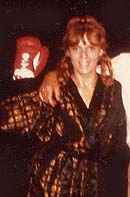
(JUNE 3) The evolution of women’s boxing over the past several decades has transformed
the sport from a largely overlooked competition into one of the fastest-growing
and most respected divisions in combat sports today.
When WBAN became into existence in 1998, it was a time of struggle for female
boxers in the sport, not only for professional female boxers, but the struggles
of the amateurs in the sport.
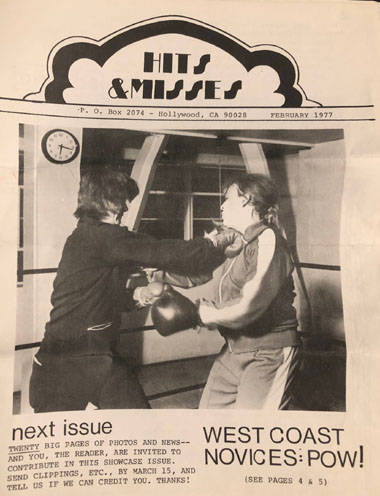
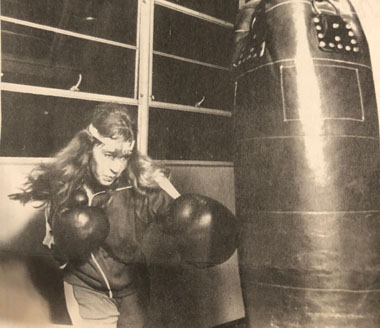
Photos of Sue TL Fox
Once female boxers were denied opportunities, recognition, and major platforms,
but we have now see that through determination, talent, and perseverance, we are
seeing today that
women’s boxing headlines major arenas, secures global television coverage, and
it now inspires a new generation of female boxers around the world.
Sue TL Fox of president and founder of WBAN said, “Women’s professional boxing has officially entered a
golden era, capturing unprecedented global attention, the viewership records has
become higher than WBAN ever thought what would ever be possible.”
“Once women boxers being featured on boxing cards,
they were elegated to the undercards, as a special attraction on boxing cards.
At this present time, they are
now consistently headlining major pay-per-view events at iconic venues
worldwide, from Madison Square Garden to Wembley Stadium", added Fox.
The journey of women’s boxing has been marked by historic milestones. In earlier
decades, female boxers often struggled to obtain licenses, fair pay, or
legitimate promotional support. Despite those obstacles, pioneers of the sport
continued to compete and advocate for equality inside and outside the ring.
When Sue TL Fox competed in boxing during the late 1970s, female fighters often
faced mismatched bouts and uncertainty about who their opponents would be when
accepting fights. Promoters frequently treated women’s boxing as little more
than a novelty attraction rather than a legitimate part of the sport. Media
coverage also tended to portray female boxers negatively whenever women appeared
on boxing cards.
The 1990s and early 2000s saw significant progress as more organizations began
sanctioning women’s championship bouts. Legendary fighters helped elevate the
sport’s profile, proving that women’s boxing could deliver the same excitement,
skill, and passion as men’s competition.
A major turning point came when women’s boxing was officially included in the
2012 Olympic Games in London.
The global exposure introduced millions of fans to
elite female athletes and helped accelerate growth at both the amateur and
professional levels.
Since then, women’s boxing has experienced unprecedented momentum. World
champions and rising stars have headlined major events, sold out venues, and
competed in highly anticipated championship matchups watched by audiences across
the globe.
The sport has also benefited from increased media coverage,
sponsorship opportunities, and support from major promoters and networks.
Today’s generation of female fighters continues to redefine what is possible in
boxing. Athletes are earning greater respect, larger purses, and more
opportunities to showcase their talent on the world stage. At the grassroots
level, participation among young girls and women continues to rise in boxing
gyms internationally.
Industry leaders, promoters, trainers, and fans alike recognize that women’s
boxing is no longer viewed as an addition to the sport — it is now a major force
driving boxing’s future.
As the sport continues to grow, many believe the best chapters of women’s boxing
history are still being written. With increasing global recognition and a deep
pool of talented fighters emerging every year, the future of women’s boxing has
never looked brighter.
Fox said, what is amazing, at this point in the sport, we are thankfully no longer talking
about the future of women's boxing; we are now seeing women’s boxing truly in
the mainstream."
WBAN / IWBHF
WBAN Instagram
WBAN Facebook
WBAN / IWBHF
WEBSITES
www.womensboxing.org
www.wbanmember.com
www.floridaboxing.com
www.iwbhf.com
WBAN's
Group Facebook